
125 Years of Thrills A’Plenty
On June 4, 1901, R.W. Sackett and H.R. Loomis arrived at Fisherman’s Lodge from Fort Dodge, Iowa.
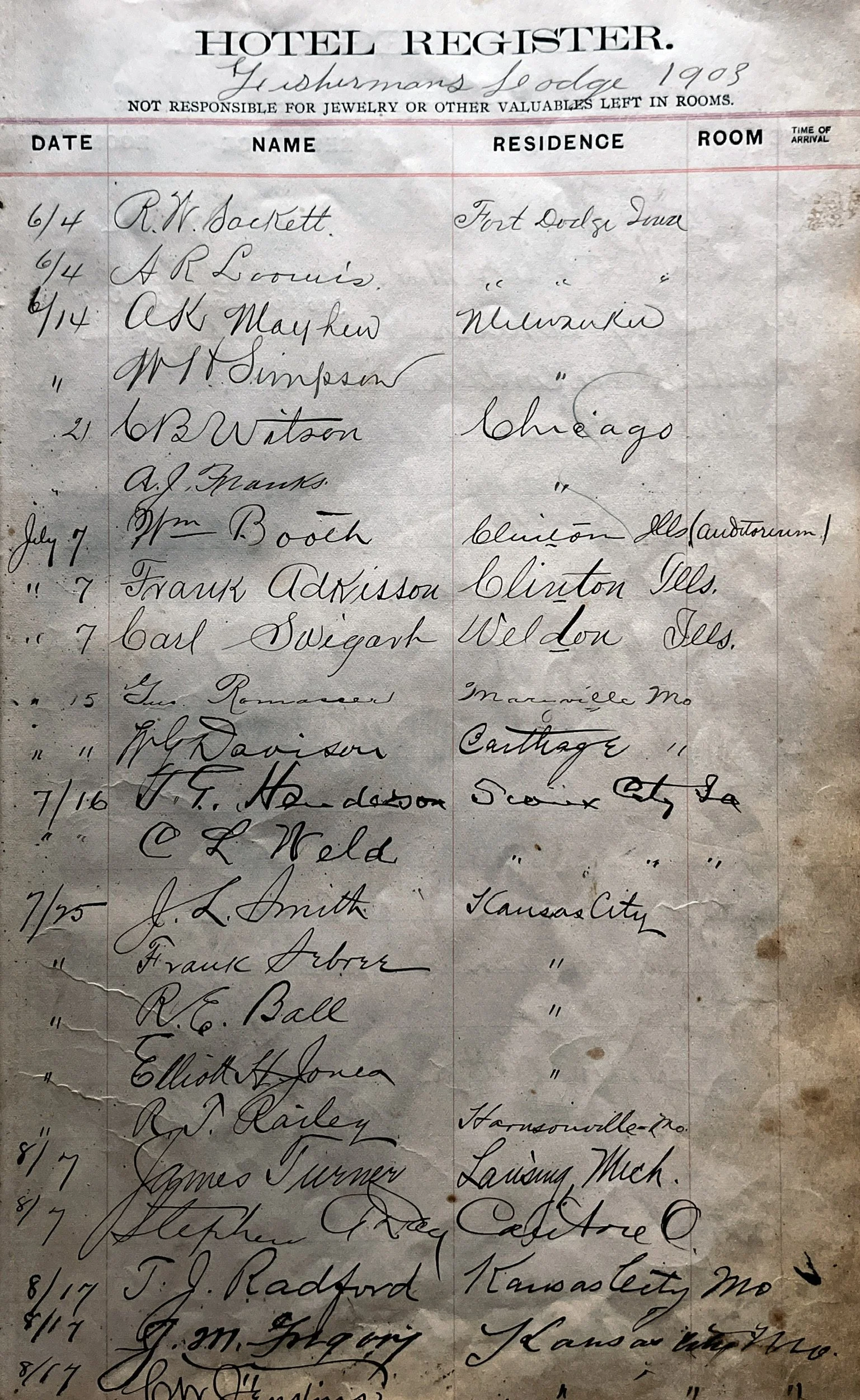
Their names appear at the top of the first page of the original guest register, followed by visitors from Milwaukee, Chicago, Clinton and Weldon, Illinois; Sioux City, Iowa; Kansas City and Harrisonville, Missouri; Lansing, Michigan; and Canton, Ohio.
They traveled a very long way for fishing, woods, and cabins without indoor plumbing.
There were no online reservations, automated arrival texts, or Google Maps cheerfully announcing, “You have arrived.” Guests came north by train, and Bud Wambolt met them with his team of horses for the final trip to camp.
We do not know what R.W. and H.R. caught, what they ate, or even how they found it. We only know they came.
And then more people followed.
Long before Wambolts had a website, a logo, paddleboards, Wi-Fi, or even the name Wambolts Camp, word was already getting out.
Apparently, fish, beans, and a long wagon ride through the woods made for a pretty compelling vacation package.
This week, 125 years later, the names in the old registers and photographs felt a little less distant.
Todd and Noel Arnold, great-nephews of former owners Louise and Leo Arnold, came to Wambolts along with Karen Mauer, daughter of Rosemary and Dareld Mauer. They came to share family stories, look through old photographs, and celebrate something that feels increasingly remarkable:
Through it all, Wambolts survived.
It survived changing owners, changing roads, changing expectations, two world wars, the Great Depression, aging cabins, questionable foundations, and more than a century of Minnesota winters.
It has also survived generations of children running wild through the woods, which may be the greater achievement.
Sitting together and swapping stories made the history feel less like a timeline and more like what it really is: one long collection of people having a very good time at the lake.
There were fish stories, naturally. Big fish, nearly caught fish, fish that escaped, and fish that have almost certainly grown several inches with every retelling.
There were stories of children roaming the resort from morning until someone finally called them in for dinner. They swam, fished, explored, made friends, got dirty, and generally enjoyed the kind of freedom that has always been part of a Wambolts summer.
Different families. Different decades. Very similar childhoods.
First Came Bud
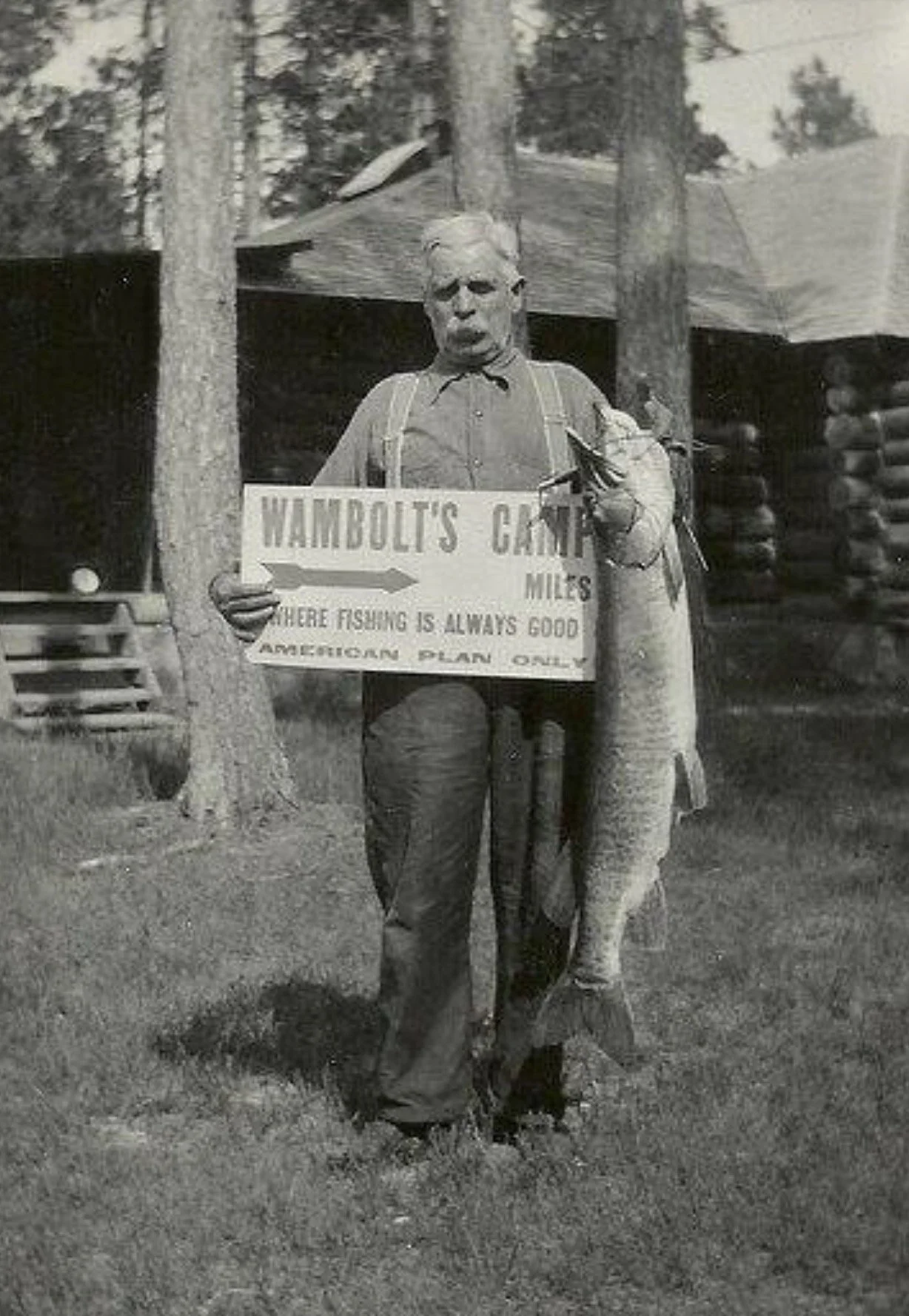
Alexander “Bud” Wambolt began building his fishing camp in 1899, making him one of the earliest resort owners on the Mantrap Chain of Lakes and in Minnesota.
Bud called it Fisherman’s Lodge, and his original business plan appears to have been:
Build a cabin.
Meet the train.
Catch muskies.
Feed everyone.
Repeat until 1945.
Bud built the first cabin himself using logs cut and hauled from the surrounding woods. Guests came for adventure, trophy fishing, quiet water, and Bud’s steady hospitality. Each fishing party had a guide, shore lunches were cooked over an open fire, and evenings were spent comparing catches and retelling the stories of the fish that were almost certainly much larger by bedtime.
It has been said that Bud got ahead in the resort business because he had a good team of horses to transport guests from the railroad depot.
Location, location, transportation.
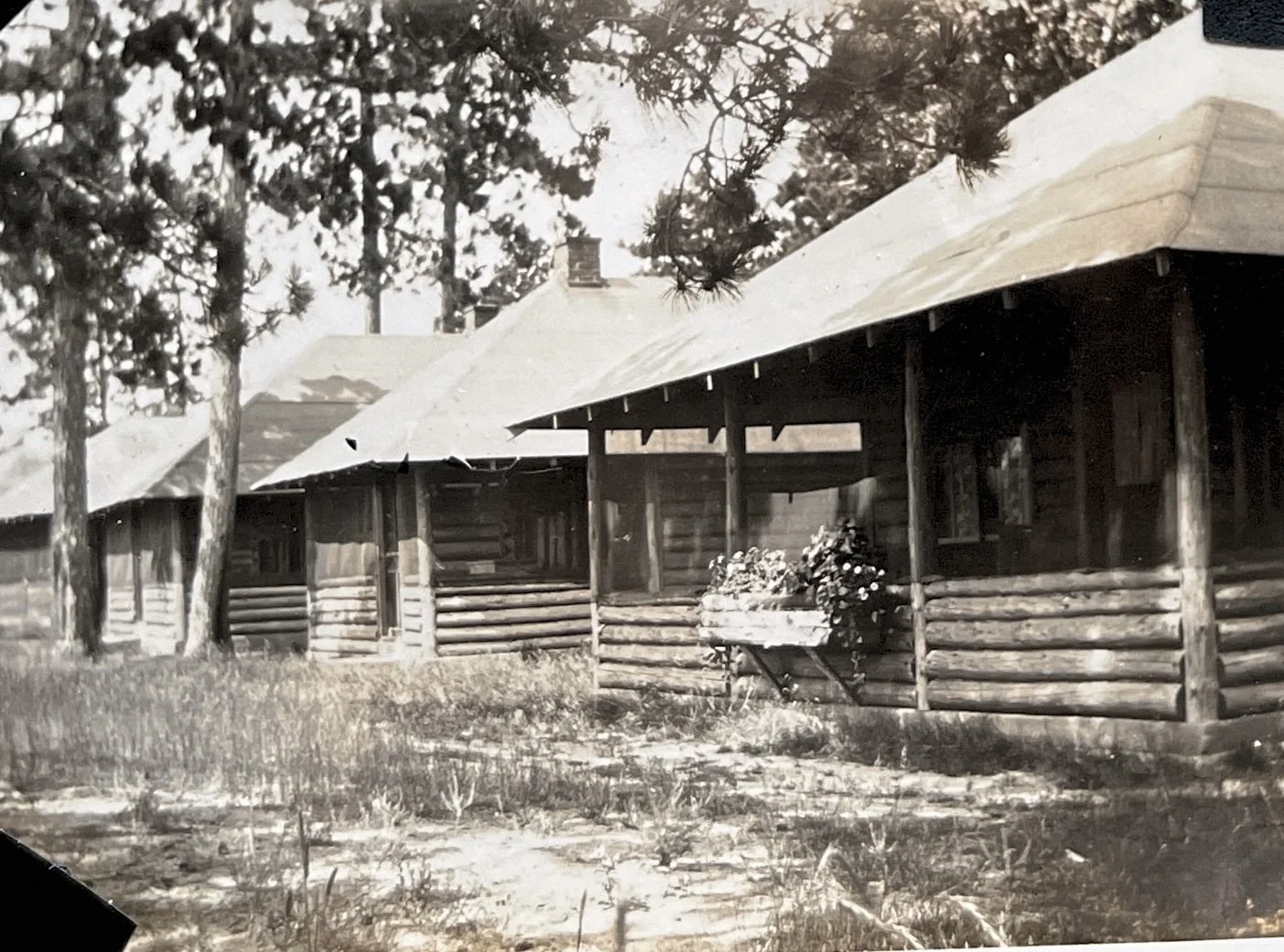
Getting to Wambolts was part of the experience. Guests traveled by train, wagon, boat, and rough trails through the woods. Today, the trip from Dorset takes about ten minutes. At the time, it required planning, patience, horses, and a willingness to believe Bud knew where he was going.
By 1912, Bud realized the future of the camp included more than serious fishermen. He changed the name from Fisherman’s Lodge to Wambolts Camp, making it clear that women, children, and entire families were welcome.
A bold new concept: come north and bring everyone.
Then Came the Arnolds
Bud operated the camp until 1945, when his daughter Louise and her husband, Leo Arnold, took over.
Louise and Leo inherited cabins, docks, loyal guests, aging buildings, endless maintenance, and the responsibility of protecting something people already loved deeply.
In other words, they inherited a resort.
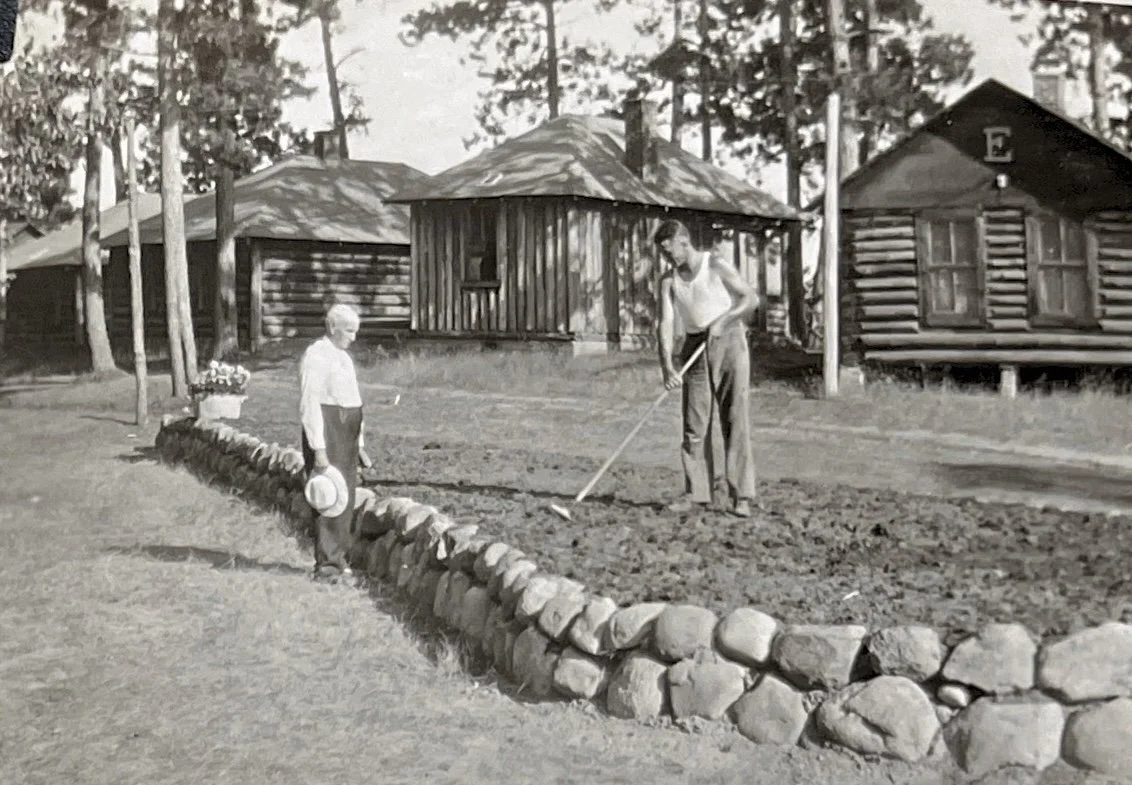
They guided Wambolts through an era when vacation travel was changing quickly. New motels and larger resorts offered modern conveniences, while Wambolts offered log cabins, quiet water, familiar porches, and the distinct possibility that something would need fixing before lunch.
Louise and Leo made careful improvements while protecting what brought families back: unhurried days, time together, and a feeling of belonging that was difficult to explain but easy to recognize once you were here.
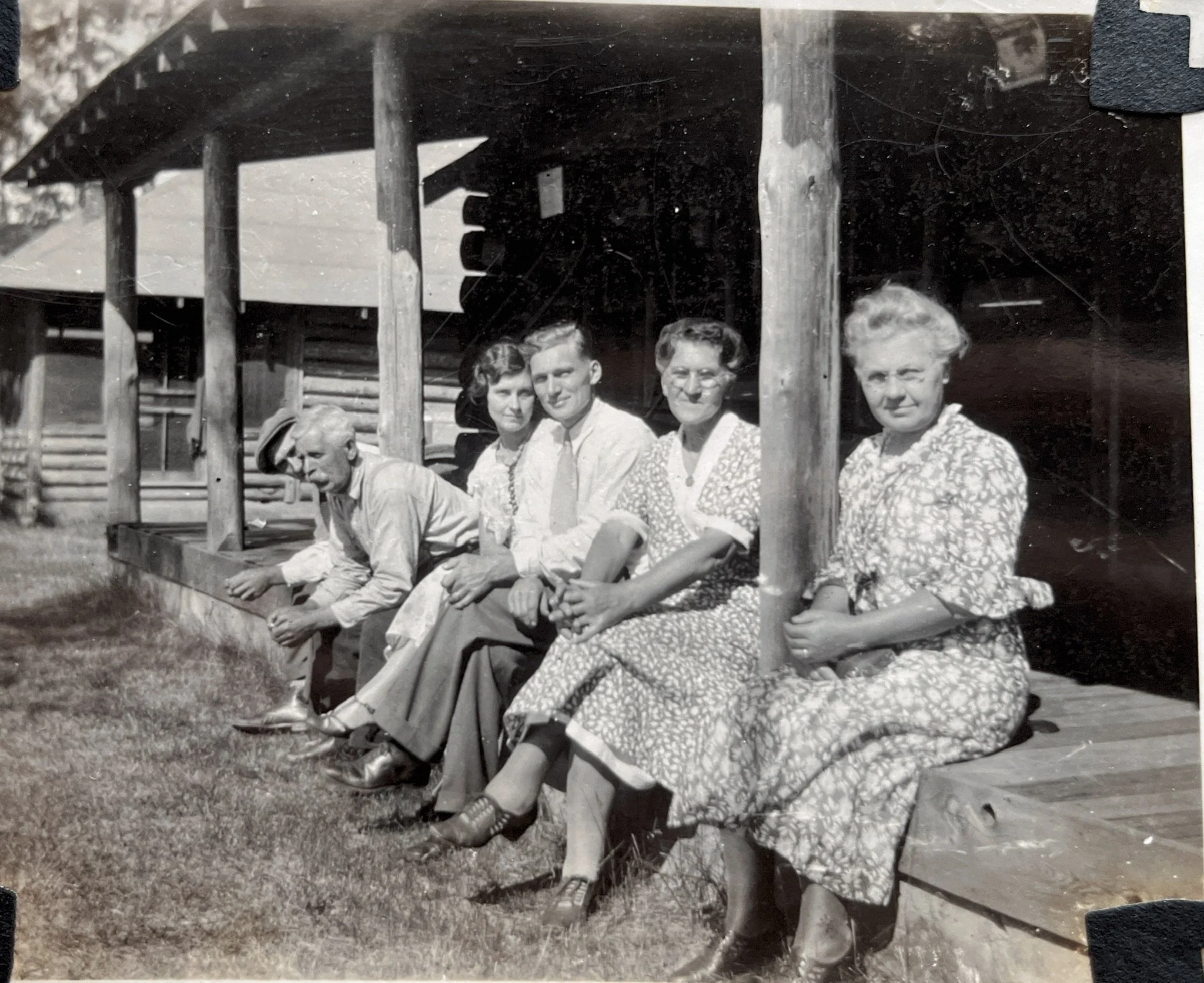
Their work kept Wambolts going and they formed the bridge between Bud’s early fishing camp and the family resort that came next.
Then Came the Mauers
In 1968, Dareld and Rosemary Mauer purchased Wambolts and began the next chapter with their five children.
Five children.
As the current owners of a resort with five children, we recognize this as either excellent family planning or a highly specific staffing strategy.
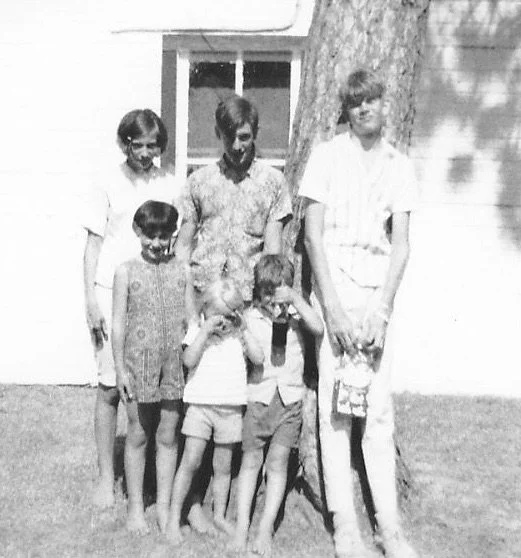
The Mauers spent decades welcoming families to Wambolts. They built a loyal and loving community where guests returned every summer, children grew up together, and everyone knew which family belonged in which cabin.
They also handled all the work that rarely appears in vacation photographs: cleaning cabins, repairing porches, moving docks, answering phones, mowing grass, balancing books, replacing broken things, and responding calmly when a guest began a sentence with, “This is probably nothing, but…”
You can still feel the Mauers here.
Their care is in the cabins, the shoreline, the paths, and the stories longtime guests continue to tell. When Dareld and Rosemary passed away, their family, friends, neighbors, and guests worried about what would become of Wambolts.
Because places like this do not preserve themselves.
Someone has to keep fixing the screen doors.
Someone has to replace the dock boards.
Someone has to look at a century-old cabin with a questionable foundation and say, “Yes, of course we should save it.”
Ideally before receiving the estimate.
One Long Wambolts Story
Having Todd, Noel, and Karen here was not simply a visit from former owners’ families. It was a chance to connect the chapters.
We looked through family albums, studied the cabins in the backgrounds of photographs, admired the old cars, and tried to identify people and places from nearly a century ago.
We also confirmed that people have always stood directly in the sun for family photographs while looking only moderately pleased about it.
Mostly, though, we talked.
We talked about fishing and families. About resort work and lake days. About the children who grew up here, the guests who returned every year, and the friendships that lasted long after summer ended.
The stories were funny and familiar because the heart of Wambolts has changed very little.
Children still run wild until they get hungry.
Adults still sit on porches and tell stories.
People still head onto the lake believing today will be the day they catch the big one.
And the fish still get larger after dark.
Some things have changed since the Arnolds and Mauers lived here. We now have indoor bathrooms, Wi-Fi, air conditioning in several cabins, paddleboards, saunas, and significantly fewer men wearing ties while standing beside trucks.
But what matters most is still here.
The original register began with two names from Fort Dodge.
Then came more names. More cities. More families. More generations.
Bud built Wambolts one log at a time. The Arnolds carried it into a new era. The Mauers poured decades of work and love into it. Guests returned, brought their children, and then brought their grandchildren.
Now it is our turn to care for it.
We are not simply celebrating 125 years of buildings, although we are unusually attached to those buildings.
We are celebrating every person who kept Wambolts going. The Wambolts. The Arnolds. The Mauers. The guests, neighbors, friends, and family members who believed this place was worth preserving.
Todd, Noel, and Karen reminded us that Wambolts is not really owned by one family at a time.
It is cared for by one family at a time.
We are simply the current people holding the keys, fixing the porches, listening to the stories, and trying not to mess it up.
After 125 years, the cabins are still here. The lake is still beautiful. Children are still running wild. Families are still arriving from near and far.
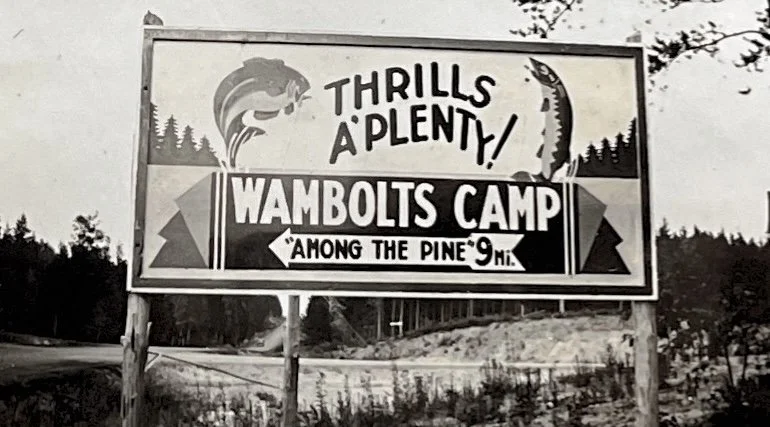
And, just as the old sign promised, the thrills remain plentiful.
Wambolts is here for good.